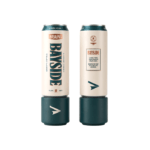
Food and beverage can market to be worth $70bn by 2029
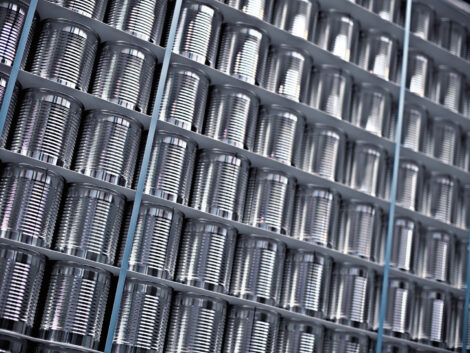
The food and beverage metal cans market is estimated at $50.42 billion in 2024 and is projected to reach $70.72 billion by 2029, at a CAGR of 7.0% from 2024 to 2029, according to a report published by MarketsandMarkets.
Metal packaging is superior for food preservation compared to other materials, offering extended shelf life and enhanced safety.
The advantages begin with the material itself. Metal is an excellent choice for packaging because it effectively blocks air, light, and moisture—the three main threats to food preservation.
It is also durable, rigid, and highly resistant to punctures. Metal can endure high temperatures, making it suitable for specialist canning processes used to preserve meat, fish, and vegetables that would otherwise spoil quickly.
By steam-exhausting and sealing perishable goods while still hot, all bacteria are eliminated, ensuring the food remains safe and consumable for months.
Furthermore, metal is ideal for carbonated beverages that require bottling under high pressure. Steel and aluminium bottles have now surpassed glass in popularity for fizzy drinks, as they provide better protection while being lighter and less prone to breakage than glass. texture.
By degree of coating type, bright coating cans accounted for the largest share in 2024 in terms of value in the food and beverage metal cans market.
The Food & Beverage metal cans coating type market is divided into two segments: bright coating cans and white base cans. Bright coating cans are metal cans used in the food and beverage industry, distinguished by their glossy, reflective finish. This coating enhances the visual appeal of the cans, giving them a sleek, shiny appearance that stands out on store shelves. Beyond aesthetics, the bright coating provides an added layer of protection, making the cans more resistant to scratches, wear, and corrosion. Often used for beverages like energy drinks, sodas, and craft beers, these cans are designed to attract consumer attention. Despite their premium look, bright coating cans retain the lightweight, durable, and recyclable qualities of metal cans, supporting sustainability efforts.
By degree of internal pressure, the pressurised cans is estimated to grow at a higher rate in the food and beverage metal cans market.
Aluminium and steel packaging, often referred to as General Line or Specialty Cans, have emerged as premium choices in the consumer products market due to their versatility across both food and non-food applications. These lightweight materials provide a cost-effective and impact-resistant solution, making them ideal for various products.
Additionally, the smooth surface of metal cans presents a prime opportunity for brand marketing, allowing companies to showcase innovative designs and differentiate their products. The flexibility of steel and aluminium enables unique, eye-catching packaging that enhances product appeal. Aerosol cans, a part of this category, are also 100% recyclable, making them an environmentally friendly option. The rigidity of steel ensures product preservation, while the spill-proof nature of these containers adds to their convenience for consumers.