
GZI adopts solar power
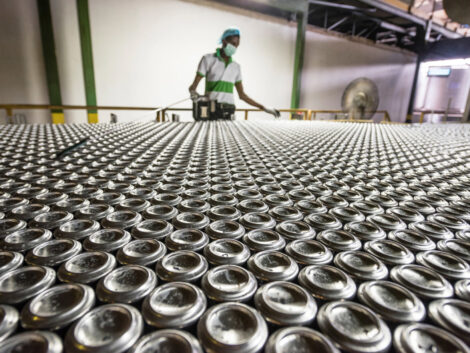
In a significant move toward energy independence, Nigerian beverage can producer GZ Industries has officially integrated solar power into its Agbara manufacturing plant.
The project was completed by Daystar Power, a Shell subsidiary, which announced the commissioning of the 2.632 MW photovoltaic system in early April. This transition highlights an accelerating trend among West African industrial leaders to swap traditional grid reliance for sustainable, off-grid alternatives.
Key Project Features
The new installation does more than just capture sunlight; it is designed for sophisticated energy oversight:
- Total hub capacity: Daystar now manages 14.7 MW of solar power within the Agbara industrial zone, servicing eight different corporate clients.
- Storage integration: The site features a Battery Energy Storage System (BESS) boasting over 1.5 MWh of capacity, ensuring smoother energy distribution during peak demand or low-sunlight periods.
Daystar’s West African Expansion
While Nigeria remains Daystar’s primary “anchor market,” the company is rapidly scaling its regional footprint. Recent milestones include:
- Ghana: Commissioned a 4.3 MWp system in January 2024.
- Ivory Coast: Recently secured a contract with Société de Ciment de Côte d’Ivoire (SC CI) for a 5.2 MWp solar facility.
Economic Drivers for Solar Adoption
The shift toward decentralised solar is born out of necessity as much as sustainability. For large-scale manufacturers like GZ Industries, energy is a dominant overhead cost.
The challenge: Nigerian industrial players face a “triple threat” of volatile diesel prices, an unstable national grid, and high maintenance costs for backup generators.
By adopting hybrid energy systems, manufacturers are finding a path to stabilize their margins. These solutions provide the reliability needed to maintain 24/7 production cycles while simultaneously lowering the carbon footprint and shielding the company from the unpredictability of fossil fuel markets.


