Speciality coffee opens new opportunities for premium packaging
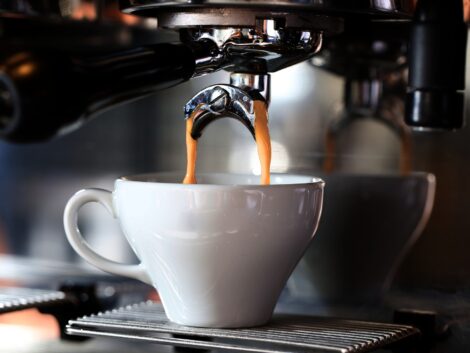
Speciality coffee is rapidly evolving from an artisanal niche into a mainstream lifestyle category, creating fresh commercial momentum across foodservice, retail, and packaging formats, according to new research from market intelligence firm GlobalData.
Driven by consumer demand for single-origin provenance, functional wellness, and ethical sourcing, the segment’s growth is accelerating the need for high-barrier, sustainable, and shelf-differentiating packaging solutions ranging from ready-to-drink (RTD) aluminium cans to recyclable single-serve closures.
According to GlobalData’s Q3 2025 global consumer survey, 51% of consumers say country of origin, manufacturing details, and official certifications on packaging directly influence their purchasing decisions. Furthermore, 67% report buying more from brands whose values align with their own.
RTD Cans and Sustainable Formats Drive Retail Expansion
While traditional coffee houses remain essential for experiential brand building, retail expansion is increasingly reliant on packaged formats like nitro cold brews, functional espresso blends, and single-origin ready-to-drink beverages.
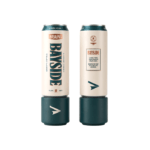
This transition has elevated the role of packaging, particularly aluminium cans and high-barrier containers, as brands work to protect delicate flavour profiles and craft credentials while meeting circular economy demands.
Shagun Sachdeva, Practice Head for Consumer and Foodservice at GlobalData, highlighted how brands are expanding coffee’s traditional functional role through packaging-led retail strategies:
“Coffee has always carried functional associations through energy and alertness, but specialty coffee is now broadening that role,” said Sachdeva. “By combining premium taste with functional ingredients and personalized formats, brands can position coffee as a daily wellness ritual without sacrificing indulgence or authenticity.”
Traceability and Material Circularity as Core Drivers
The report underscores that farm-to-cup traceability and verified quality standards are becoming essential for building consumer trust. To support these claims, brand owners and packaging manufacturers are introducing structural innovations—such as home-compostable capsules, capsule-free systems, and fully recyclable metal packaging—to tackle waste concerns without compromising product freshness or shelf life.
Major industry players, including Starbucks, Blue Tokai, Luckin Coffee, and Onyx Coffee Labs, are expanding through omnichannel models, leveraging premium packaging graphics and distinct formats to bridge the gap between café experiences and home consumption.
“Foodservice gives speciality coffee its strongest experiential stage… but the specialty coffee opportunity is also increasingly demanding,” concluded Sachdeva. “The winners will be those that can combine premium sensory experiences with responsible sourcing, functional relevance, foodservice engagement, and clear storytelling.”