CFTC chairman targets Midwest premium in aluminium pricing review
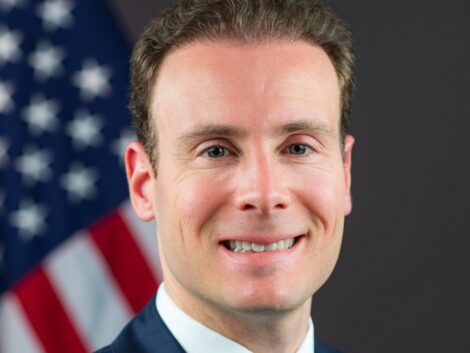
Michael Selig, chairman of the US Commodity Futures Trading Commission (CFTC), has told brewers that reforming the way American companies pay for aluminium is “one of my top priorities”.
Speaking at the Beer Institute’s annual membership meeting in Washington on 13 November, Selig said he has directed the CFTC’s global markets team to examine aluminium pricing mechanisms and “develop concrete reform options that protect U.S. markets and American manufacturers”. He told the audience: “With your support and cooperation, if we are successful, you’ll never have to hear the words ‘Midwest premium’ ever again.”
Selig said that, according to S&P Global Commodity Insights, the Midwest premium is assessed at about $1.10 per pound. With the London Metal Exchange (LME) benchmark at $1.40 per pound, that brings the all-in US price to around $2.50, or about 75% more than the benchmark.
He argued that the LME contract’s “cheapest-to-deliver” structure means its price can reflect metal in the lowest-cost delivery location, while a standardised premium does not reflect where a buyer’s metal actually comes from or what it costs to deliver. “Metal sourced in Canada or the UAE need not pass through an Asian warehouse,” he said. He acknowledged that the Beer Institute and US manufacturers had raised these concerns “for years without meaningful action by the Commission”.
Selig stressed that the CFTC does not set the price of aluminium. Its role is to oversee derivatives markets. Within that remit, he said the regulator will look at whether additional US-based aluminium contracts, tied to physical delivery in the American market, could improve local price discovery and give end users better ways to hedge regional price exposure. He cautioned that a new contract would only work if producers, consumers and other market participants traded it. He also wants to develop a derivatives market structure specifically for recycled aluminium. He noted that used beverage cans can become the raw material for new cans, supporting a domestic recycling loop.
Selig made a direct link to can makers: “A beverage can manufacturer that can better hedge its aluminium costs will be in a stronger position to plan production.”
He said the views he shared were his own and did not necessarily reflect those of the Commission.