Brazil recycles 97.3% of aluminium cans in 2024
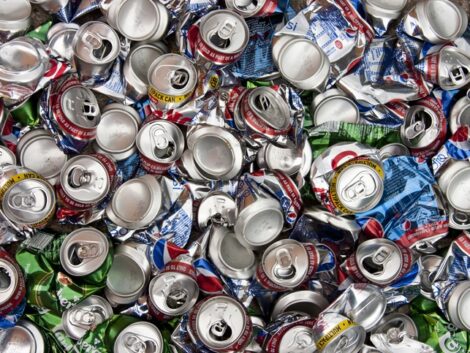
Brazil recycled 97.3% of aluminium beverage cans in 2024, reinforcing the country’s position as a global leader in packaging recycling and strengthening its nationally developed reverse logistics model, coordinated by organisations such as the Brazilian Aluminum Can Association (Abralatas).
The newly released data from Recicla Latas — the entity responsible for improving the country’s recycling system — confirms a solid trajectory of more than 15 years with rates consistently above 95%.
The results are validated by independent auditing and supported technically by Abralatas and the Brazilian Aluminum Association (Abal).
Cátilo Cândido, Executive President of Abralatas, said: “The aluminium can is the most advanced example of large-scale circular economy in Brazil. In a year like 2025, with COP30 taking place in our country, this result shows that Brazil has real solutions to offer — backed by data, social impact, and environmental commitment.
“This is a collective achievement for the entire sector, built on dialogue, innovation, and responsibility.”
Brazilian Leadership and Environmental Impact
Internationally recognised for its performance, social inclusion, and economic sustainability, Brazil’s aluminium can recycle model — supported by an industry-wide Commitment Agreement — ensures the purchase of 100% of the scrap generated. The structure includes recycling plants in all regions, multiple collection centres, 25 expanding can manufacture facilities, and cooperatives of waste pickers fully integrated into the system.
In addition to the high market value of scrap, the system’s logistical efficiency ensures aluminium cans return to shelves quickly.
Over the past 10 years, this model has prevented the emission of more than 18 million tons of greenhouse gases and spared the extraction of 17 million tons of bauxite.
“This achievement is more than just a number – it reflects Brazil’s ability to deliver systemic, sustainable solutions with positive climate impact, income generation, integrated logistics, and a long-term vision,” added Cândido.