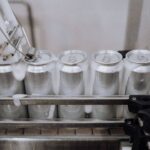
Ball begins beverage can production at new Oregon plant

Ball’s global beverage can volumes rose 4.3% year-on-year in the second quarter, buoyed by growth across all operating regions, the company reported on Tuesday.
“Volumes and orders came in really strong, so it obviously put a little stress and strain on our network,” said CFO Dan Rabbitt.
Ball’s 2026 framework remains unchanged, with the company still forecasting volume growth of between 4% and 6% for the full year.
When asked whether recent Section 232 tariff changes aimed at boosting domestic aluminium production would drive North American volumes, CEO Ron Lewis responded: “The short answer is no.”
“There’s just not material enough to really move the needle,” he explained, adding that “we and the industry are concerned and keep an eye on aluminium price.” Although Ball can pass through metal costs, higher prices risk dampening consumer demand. “So the can continues to win and grow even in that elevated cost environment for aluminium, but we would very much like to see aluminium prices lower.”
Expanding in Oregon and beyond
Ball’s new plant in Millersburg, Oregon, commenced can production last month, with the business targeting a full ramp-up in 2027. The single-line facility produces standard cans. Lewis clarified that whilst Ball’s overall product mix continues to shift as sleek cans gain popularity, that trend is independent of the Millersburg investment.
North American can making has been “healthily tight,” according to Lewis. Whilst the broader North American beverage market has remained relatively flat, cans are continuing to gain market share against alternative packaging substrates, growing at 2% to 3%, company executives reported.
The Millersburg ramp-up will “relieve some pressure,” Lewis noted. The site is expected to incur $35 million in start-up costs throughout 2026, with no further start-up drag anticipated for 2027.
Looking beyond North America, Lewis described Europe as “the land of opportunity,” pointing to lower overall can penetration rates compared to other key regions. Stronger sustainability tailwinds and higher levels of investment in regional can-filling capacity are also supporting growth.
Recent acquisitions in Belgium and Hungary are underpinning this European expansion, whilst India represents another high-potential market where Ball has added capacity, executives noted.